
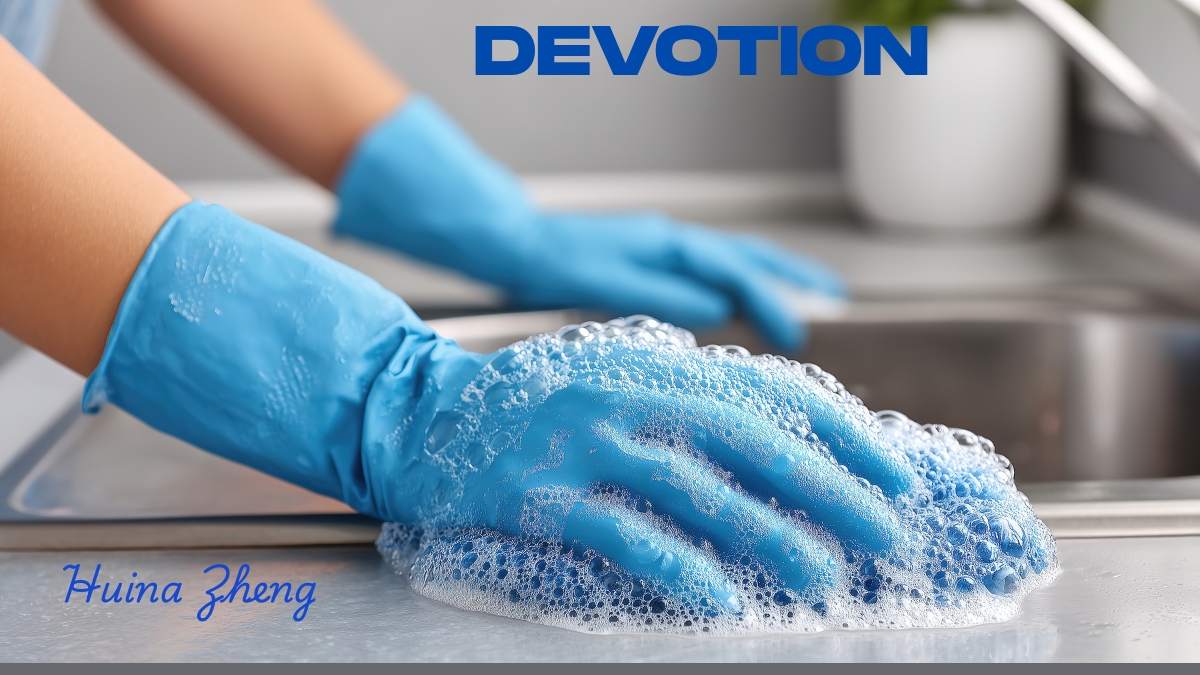
She used to believe. Obedient, gentle and considerate since childhood, Ling washed dishes, mopped floors, folded laundry, and cared for her younger brother, doing everything her parents expected. But now, for the first time, she began to doubt.
She stared at the phone in her hand. Her mother’s voice still echoed in her ears. The phone felt warm, reminding her it wasn’t a hallucination. Her hands looked like worn leather, calluses split into fine dark cracks, scars from winters spent soaking in cold water. Even she was startled that such hands could belong to a twenty-eight-year-old woman. From eighteen until now, for over three thousand days, they had hardly stopped working.
“Do you really think they see your sacrifices?” I asked, keeping my voice calm, free of malice.
She bit her lip. The phone buzzed.
We’ve made up our minds. Toyota Corolla.
Her mother’s WeChat message. I could picture her mother’s face as she typed: brows furrowed, mouth turned down.
Ling typed “okay” into the chat box, then erased it. Shaking her head, she slipped the phone into her pocket, and turned back to the greasy dishes. There was no time to think.
For ten years, I’ve been watching her. Perhaps I’ve always lived somewhere in her mind, refusing to appear. Sacrifice, now I understand, never earns love. When she turned eighteen, I decided to come forward. She could’ve gone to college, but she chose to work so her brother could study. Each morning she rose at four, preparing rice rolls for the breakfast stall until it closed at eleven-thirty. Her hands soaked in cold water and grease, her fingertips pale and wrinkled. She had one hour to clean, eat, then rush to the logistics center, walking, bending, lifting packages in the deafening warehouse. Thousands of repetitive motions left her wrists sore and her fingers raw.
I watched her endure, save every penny, wear faded jeans, send money home each month. She paid for her brother’s tuition, kept the same phone for five years while buying him the newest iPhone, gave up her social life and her dreams. After he graduated, she helped with his down payment. Now, at twenty-five, he’s getting married, and their mother expected Ling to buy him a car.
She kept giving, stretching herself until nearly transparent.
The phone buzzed again.
We’re going to the dealership this afternoon.
“She takes your giving for granted,” I said. “You’re not in her heart. Only her son.”
She trembled. She knew I existed, felt me more strongly each day. My words pierced the small armor she had left.
Foolish Ling. She needed to wake up, to be slapped into seeing the truth. If she wouldn’t stand for herself, who would? Would she live her whole life serving her family, unseen, a silent slave? What about her dream of becoming a teacher? Her life?
She finished washing the last plate and reheated the rice rolls she’d saved for herself. One egg, a few greens, no meat. Watching her chew that meager meal, anger flared inside me.
Another message.
Don’t forget to transfer the money.
She hesitated, then typed one word: OK.
That single OK broke me.
“Do you see it?” My voice cracked. “They’re not asking, and you’re obeying. You sit here eating scraps while they decorate your brother’s life with your labor.”
She wiped her mouth with a napkin, erasing the soy-sauce stain. Her lips were chapped, despite the cheap balm she used whenever she could.
“Wake up,” I whispered, almost hysterically.
“They don’t love you. No matter what you do.
“You’re still young. You can take the adult college entrance exam, study while you work.”
“Do you want to sell your labor until you’re old? What then?”
She pressed her callused hands over her face. Her shoulders quivered, then her whole body shook. Sobs slipped through her fingers, then were swallowed back. My chest tightened. Even crying felt like a luxury to her.
I felt guilty for my cruelty. All she ever wanted was to be loved. How could that be wrong?
I stepped closer, laid my hand on her trembling back. Beneath my palm, her shoulder blades rose and fell. I patted gently. Her body shook harder, her sobs spilling like a broken dam.
“I’m sorry,” I whispered, wrapping my arms around her from behind. “I’ll try to love you… I really will.”
The words were as light as a lie, even I barely believed them. But she did. She turned, buried her face in my invisible embrace, and cried.
We stayed like that, huddled in a kitchen smelling of detergent.
Perhaps, something hardened inside her began to soften.
Perhaps, we might really begin to live differently.
Huina Zheng either writes as an admission coach at work or writes for fun after work. She lives in Guangzhou, China, with her family.
Comment