
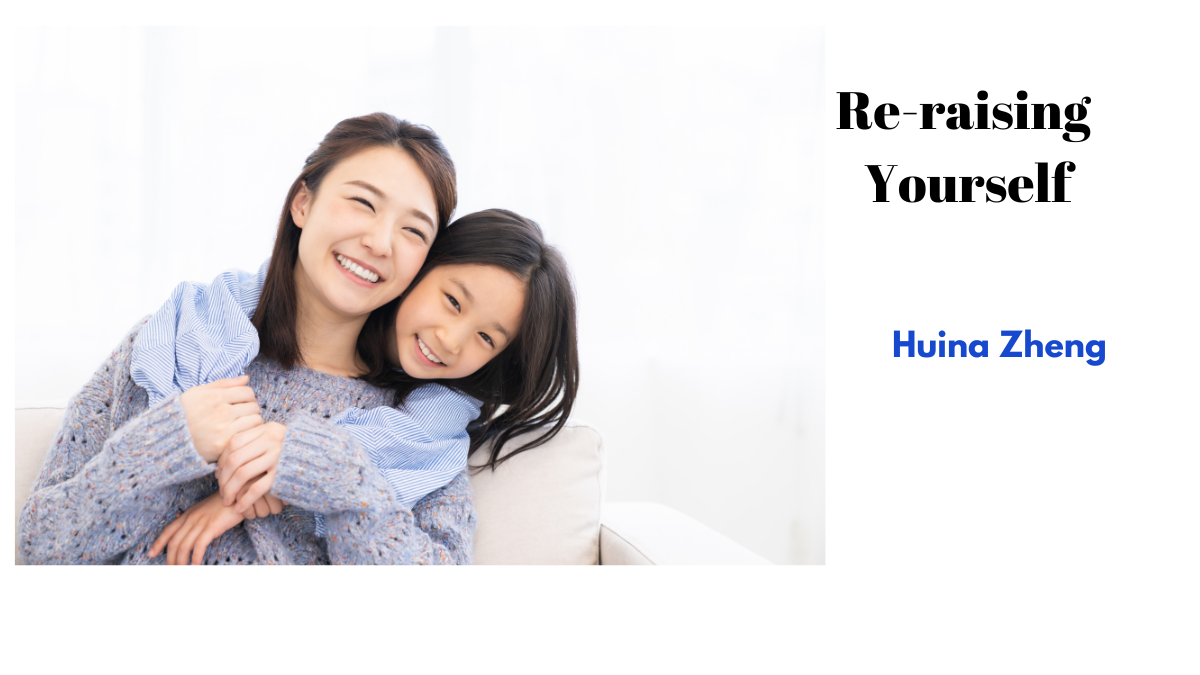
Learning self-love can be complex, especially for me, growing up in a traditional Chinese family that favored sons. As the older sister with a younger brother, nurturing my own needs was a constant source of stress and guilt.
The journey started at age eight when I took on the role of my brother’s caretaker. This responsibility continued into my early adulthood, even as I pursued my college education and graduated at 22. Over the years, a significant portion of my hard-earned income went to my parents for my brother’s education and their impending retirement. For eight years, I supported my family without recognition, and it became the norm. When my brother prepared for marriage and a new home, our parents generously gave him 300,000 yuan. In stark contrast, during my period of unemployment and job hunting last year, my parents lent me a meager 5,000 yuan, with the condition that I repay it upon finding a job.
My mother’s unwavering declaration still lingers: “If I have a mere 100 yuan, it shall all be allocated to your brother.”
For a substantial period, a volatile blend of anger and hurt consumed me. Yet, it was through a heartfelt conversation with my confidante, Ling, that the wisdom of self-love slowly unfurled.
Ling, always candid, shared the beautiful practice of pampering her daughter with treats, dresses, and dolls to heal her own unmet childhood desires. In a spontaneous moment, I voiced my thoughts, “Why shouldn’t you show the same love to yourself?”
Although I was childless at the time, I had carried a belief for years that, as a future mother, I would love my daughter as passionately as I had longed for my own mother’s love. This paradox raised a profound question: why did I withhold that same kindness from myself?
In response, I implored Ling, “What if we were to treat ourselves as we would our own beloved daughters? What if we unreservedly extended the precious gift of self-love?” Her reaction was one of astonishment, yet my determination remained steadfast.
While my family could not provide me with the unconditional love I yearned for, I slowly recognized that the power to grant it to myself lay within.
The age-old wisdom advising people to take control of their destinies after turning 30 resonated with me, spurring me on a journey of self-discovery.
In my childhood, I longed to join dance classes and showcase my talents in school performances. Sadly, my family’s financial constraints deprived me of this opportunity. When I thought of paying dance lessons for myself, the reality hit hard; each class cost 200 yuan, leaving me in perpetual contemplation. Should I invest such a substantial sum in myself? Yet, as I envisioned the dreams of a future daughter, a resolute certainty emerged. I would spare no expense in nurturing her talents. I realized the money I was spending was essentially my daughter’s hard-earned income, and it was only right for her to enjoy it.
Within the dance class, I was the least agile of all the students. But did that equate to squandering my resources? The resounding answer was no. I envisioned a conversation with my daughter, fervently encouraging her to dance for the sheer joy of it, free from external judgment. This inner dialogue warmed my heart. Finally, I was living my cherished childhood dream, liberated from the shadows of neglect, and ready to embrace self-indulgence.
When the craving for an ice cream treat struck, hesitation was replaced by action as I purchased one for myself. In that very moment, I transformed into both the nurturing mother and the cherished daughter, liberated from the suffocating standards of appearance and weight. My daughter deserved to revel in the simple pleasures of life.
As the annual leave beckoned, offering a well-deserved respite, I summoned self-compassion to remind myself, “You have toiled diligently, and as such, you deserve a rejuvenating vacation.” It was a just reward for my beloved daughter’s unwavering commitment, richly deserved and undeniably valid.
The prospect of future blind dates lost its appeal. My mother’s reproachful words, declaring that an unmarried woman over 30 becomes an outcast, lost their sting. In the past, I had endured blame and suffered in silence, reluctantly complying with blind dates arranged by others. However, the narrative had shifted. When I contemplated the potential humiliation of my cherished daughter, I pictured myself as her staunch defender. My response to my mother was unshakable: “My life transcends the societal expectations of marriage, children, and their upbringing.” My daughter is free to explore life at her own pace, regardless of her marital status. She will always remain my beloved daughter.
In moments of habitual self-doubt, I would invoke a simple reminder; these were the very struggles that my cherished daughter faced, and I would offer her the unwavering support she so rightly deserved. I would visualize embracing her, listing her admirable qualities, dismantling the reflexive tendencies of self-criticism. In the spirit of unwavering kindness, I began chipping away at the deep-rooted foundations of chronic self-doubt.
Gradually, the intricate complexities that had ensnared me, inflicting pain and turmoil, found their resolutions. The path ahead no longer involved relinquishing my earnings to my parents. Instead, I embarked on a journey toward financial self-sufficiency, accumulating savings to secure a home of my own. This was my daughter’s rightful inheritance, a haven she undoubtedly deserved.
My daughter required no blueprint for gentleness, obedience, or the heavy mantle of pleasing others. She was entitled to her own voice, the freedom to assert her thoughts and pave a unique path in life.
As a year of self-nurturing unfolded, the essence of true self-love came into sharp focus. It was an enduring commitment to acknowledging and fulfilling my desires, liberated from the constrictions of external judgment. This journey unveiled a profound inner peace, along with an unyielding capacity to harmonize with myself. I was empowered to recognize my strengths, administer self-encouragement, and provide unwavering care.
The desire for external validation and approval had metamorphosed into an enduring love that I had cultivated for myself. This newfound love afforded me the freedom to pursue my passions, shape the course of my life, and fervently embrace my dreams. I witnessed my personal growth, my journey of healing, and the emergence of the person I was destined to become.
Today, I fully embrace the journey of authenticity, unburdened by the need for apologies, with a deep sense of fulfillment and wisdom in my heart. I’ve found the pure joy in being me.
Huina Zheng either writes as an admission coach at work or writes for fun after work.
Comment